


From the crazy people who were in the St. Louis arch when tornadoes were passing by!

Eating lunch last month sometime in a nice homey restaurant in Black Mountain. They do wood fired pizza as well as my favorite, shrimp scampi. I always take home enough for a second or third serving of the angel hair and wonderful garlicy butter. But with the way my taste and smell have been coming and going, I couldn't taste the garlic or even smell it that week. The owner is a former potter, so the walls are decorated with his work.


----------------
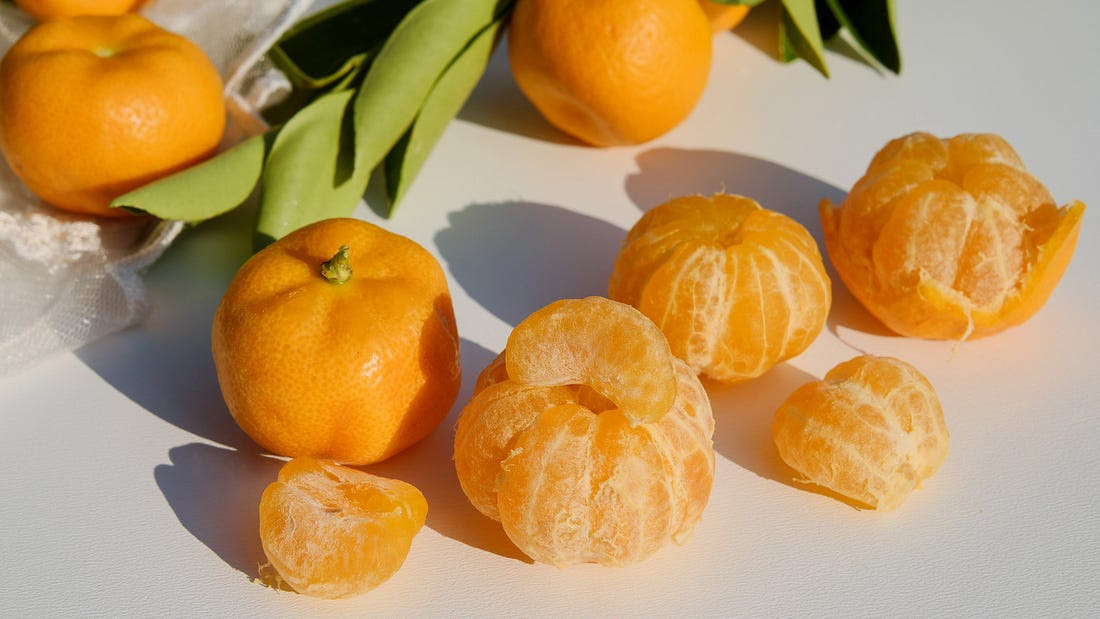 |
Worldwide, almost 40 percent of food is wasted. Nearly two billion people go hungry every year: yet we waste enough food to give each person at least one additional meal every day.
In rich countries, the food is simply thrown out because it doesn’t look perfect, it’s past its due date, or we just don’t want it. In poor countries, most food waste happens because it spoils before it can get to market or be eaten—which is why inventions like this sticker, that releases natural antimicrobial vapours to keep fruit and vegetables from spoiling for weeks, are so important.
And in both cases, when food decays, it produces methane, a powerful heat-trapping gas. Worldwide, if food waste were its own country, it would be the third biggest emitter in the world!
Everyone eats food, so reducing your food waste is a climate action that’s accessible to us all. Although many improvements are needed along the food chain, ReFed identifies four key solutions everyone can engage in:
Changing our behaviour: including menu planning to make sure you eat the food you buy; understanding the difference between “best by” versus “use by” to avoid throwing out food that is still good; storing food properly so it doesn’t go bad; and figuring out how to use leftovers.
Managing our portion sizes. Did you know these have grown massively over the years? If you have too much food, save it for later (and make sure you have storage on hand to make it easy).
Knowing where to donate unused food, especially if you organize group events that often have leftovers.
Using apps that help find food that is still good to eat but would otherwise go to waste. These apps are usually local, so I recommend searching for what’s available where you live. For example, where I live in Texas, Too Good To Go allows consumers to purchase “surprise bags” from local businesses at a discounted price. One local bakery near me was offering a surprise bag containing $18 worth of items for $6!
Personally, I’ve started shopping for groceries multiple times a week instead of doing one big shop, so that the items I use are fresher and less likely to be forgotten in the back of my fridge until they’ve gone bad.
Whether you influence decisions at a restaurant, school, company, or at home, there are smart ways to cut food waste, and, once again, the most powerful tool you have is your voice. Advocating for policies that help your organization, community, or even your country, reduce waste can drive real change.
As I’ve shared before, South Korea has nearly eliminated food waste through a nationwide curbside composting program—because people demanded it. If no one speaks up, how will solutions like this ever be adopted?
------------ Thanks Katharine Hayhoe for her newsletter "Talking Climate"
I'll be sharing about Memorial Day on my ancestry blog Three Family Trees.
Today's quote:
There are only four kinds of people in the world: those who have been caregivers, those who are currently caregivers, those who will be caregivers, and those who will need caregivers. |
Rosalynn Carter |

Moon Dancer, 2015.


 Set a good amount of time aside to surround yourself with trees.